Bed Configurator: premium bed customisation interface
Bed Configurator
Helping buyers configure and confidently commit to a £100,000+ handcrafted bed, entirely online.
UI, UX, Strategy
Helping buyers configure and confidently commit to a £100,000+ handcrafted bed, entirely online.
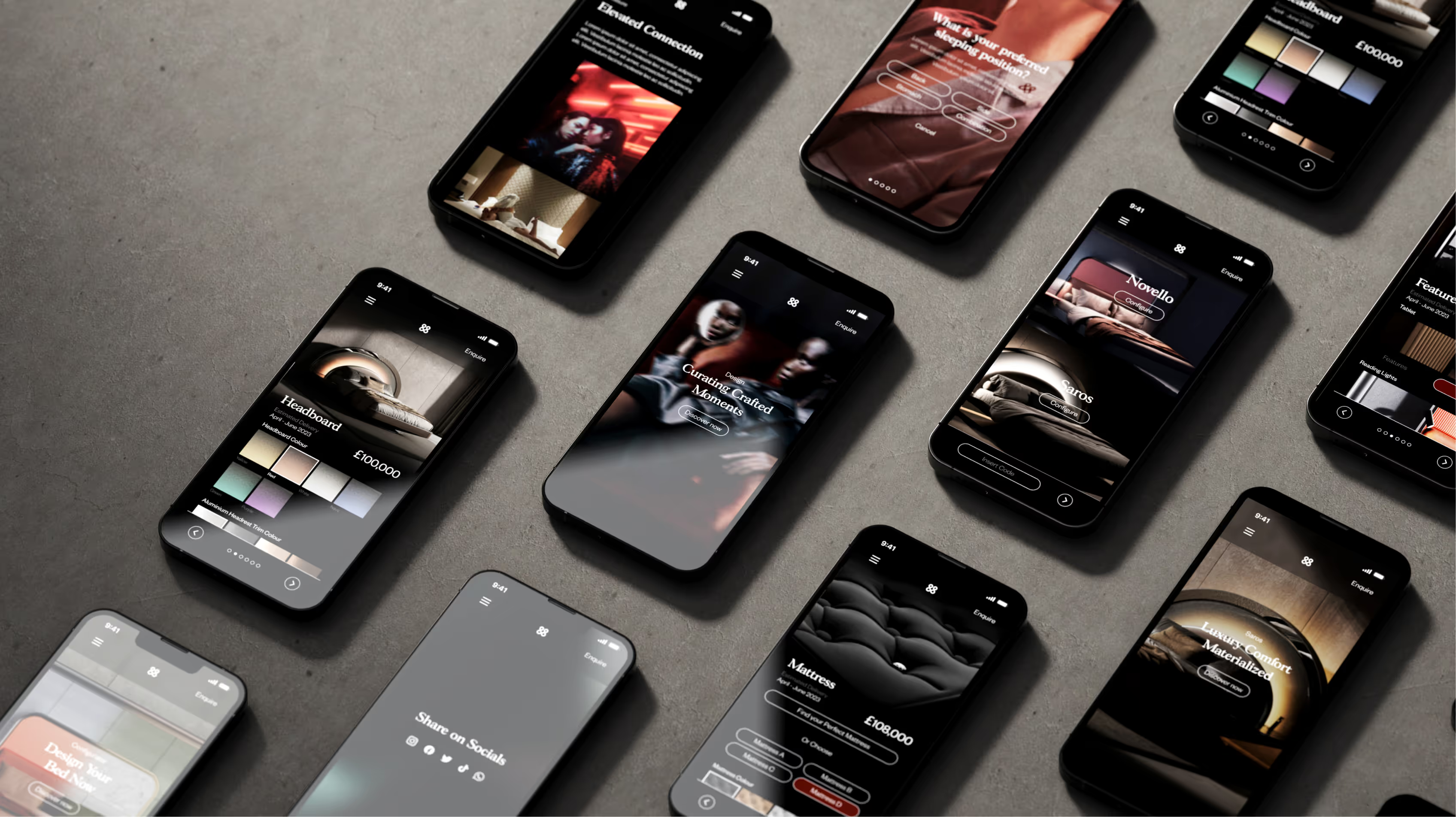
Working as part of a consultancy team, I helped design the digital experience for a luxury brand, with primary focus on creating a configurator and supporting website experience.
What is the brand?
They are a direct-to-consumer bed company, making handcrafted beds in Britain with complete customisation: frame materials, headboard styles, dozens of fabric options.
Where buying breaks down
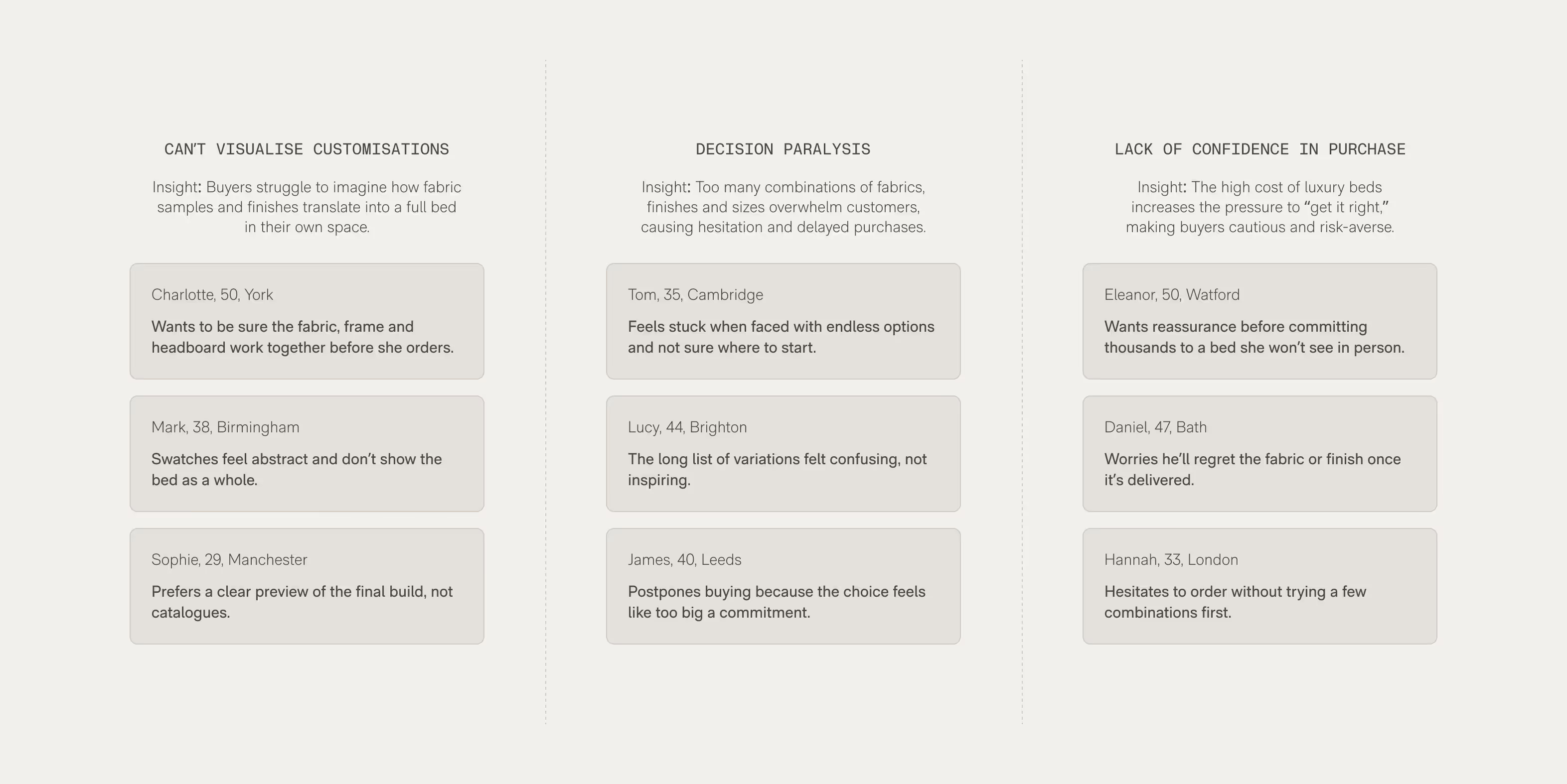
I researched how people shop for beds online by digging through forums, reviews, and customer interviews, and the same three struggles kept coming up: it's hard to picture material combinations, the choices feel overwhelming, and there is always the fear of making an expensive mistake.
What did I learn?
Traditional bed shopping online requires customers to imagine how their choices will look together, a complex mental exercise for a product that costs thousands and lives in their bedroom for years. Users abandon configurators when they can't confidently visualise their decisions, leading to lost sales and higher return rates when expectations don't match reality.
Structuring the experience
Three frustrations came up again and again: people couldn't picture the options, couldn't compare combinations, and didn't trust their final choice.
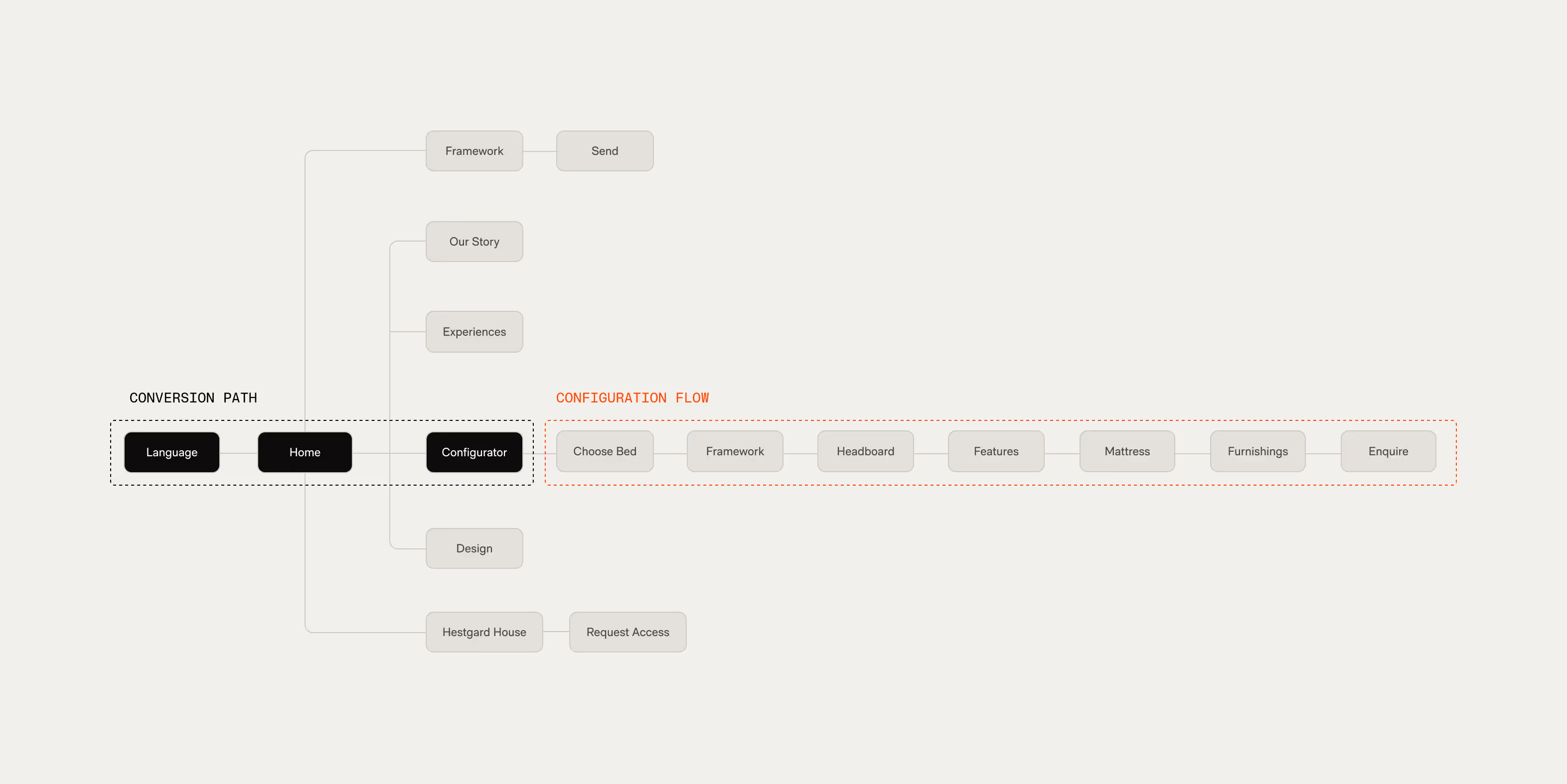
So I built a step-by-step configurator that shows a realistic rendering at every choice. The flow follows natural decision-making: bed style, then materials, then details.
Shown in the flows below, supporting pages such as brand story, experiences, and design philosophy provide context without distracting from the main journey.
Balancing complexity and clarity
I explored multiple wireframe approaches to organise the configurator interface. The key challenge was to present complex customisation options without overwhelming users.
Early wireframes tested different layouts: sidebar navigation versus step-by-step flows, grid-based option selection versus linear progression. The breakthrough came from prioritising the product visual over configuration controls.
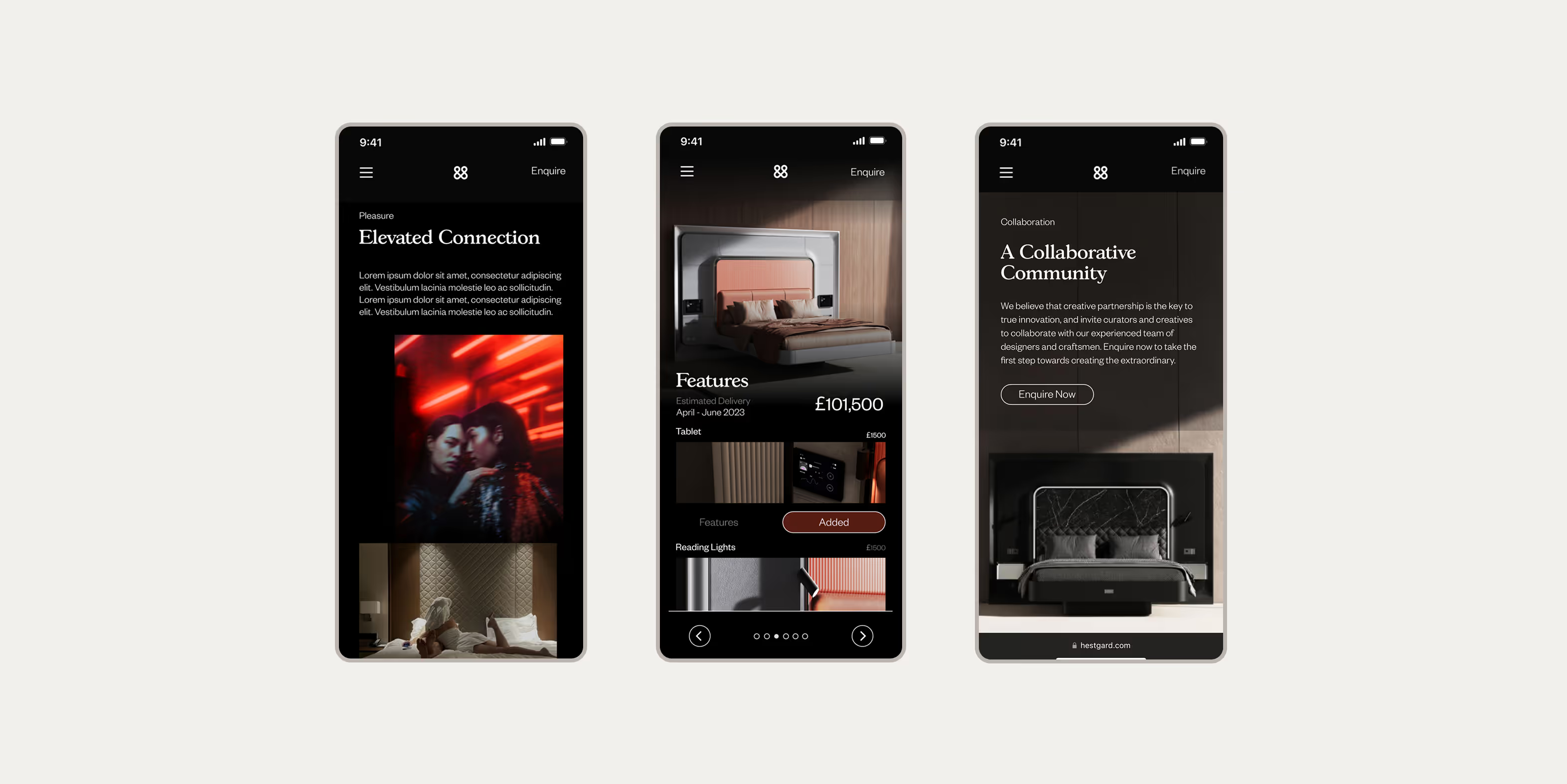
The final wireframe approach dedicates most screen space to the bed visualisation, with streamlined controls that do not compete for attention. This ensures customers focus on their choices, not the interface.
After prototyping all three approaches, user testing revealed that bed purchases are primarily emotional decisions backed by rational validation. Users needed to fall in love with how the bed looked before caring about technical specifications.
From concept to components
LAYER defined the brand. I extended the brand work into a digital design system, creating components, typography, and colour rules that carried the luxury identity into an interactive web experience.
Rapid ideation to explore solution spaces
The configurator uses large, realistic visuals instead of complex option menus. Rather than relying on interactive 3D models, it showcases high-resolution product renderings, giving people enough confidence to spend £100,000+ on a bed they've never seen in person, while staying fast on any device.
How has this project improved me as a designer?
Delivering this project in just six weeks taught me how to move fast while still aiming for quality. The process highlighted the importance of collaboration.
This project was completed during my time at LAYER. Images include both my own work and shared team deliverables.
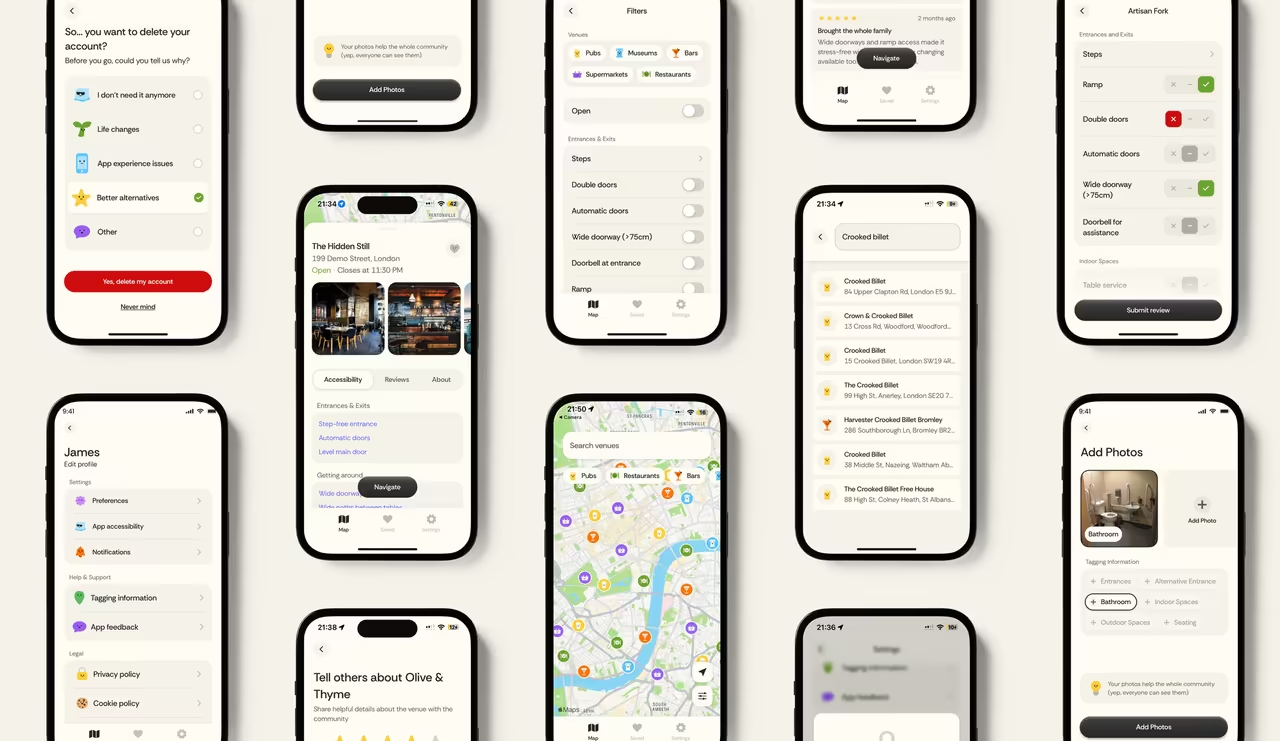
A personal project between my brother and me, for our disabled cousin, helping him find accessible venues and routes.
Building onboarding experiences and design system foundations while introducing AI-assisted processes across the design workflow.
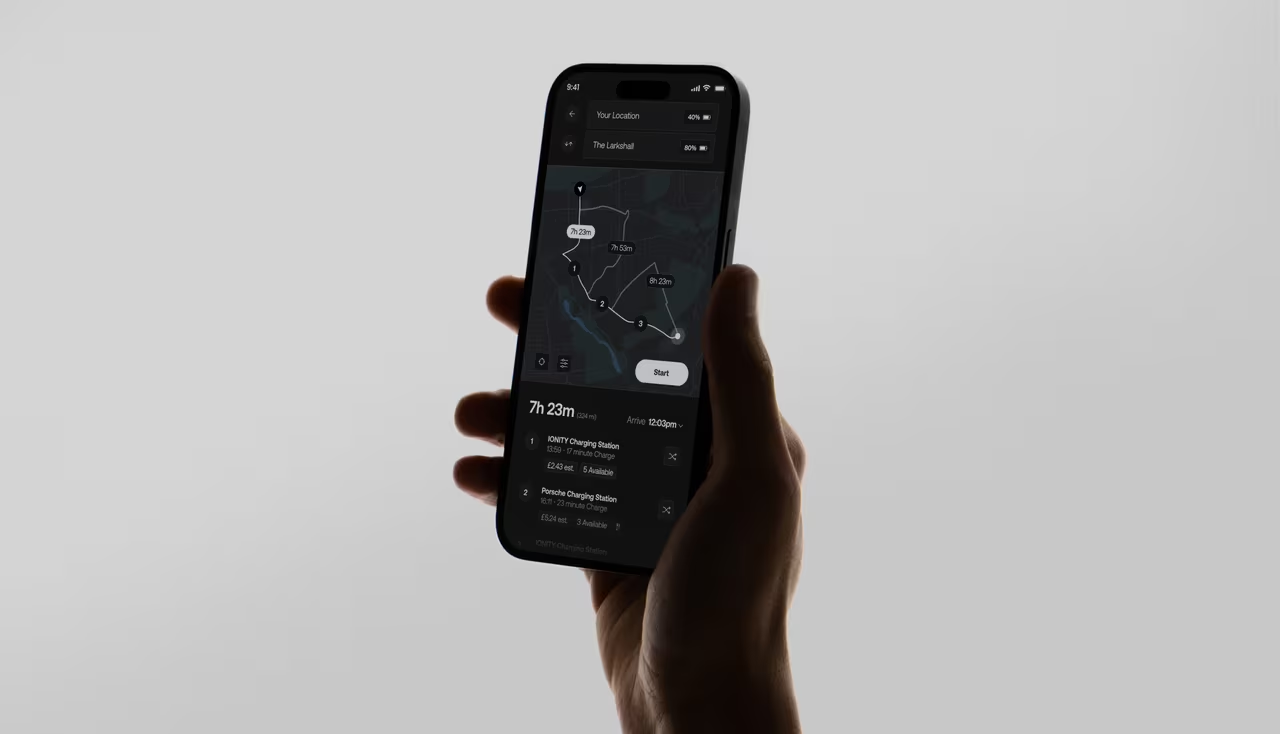
An intelligent EV charging app that eliminates range anxiety by automatically identifying optimal charging stations using real-time vehicle and battery data.
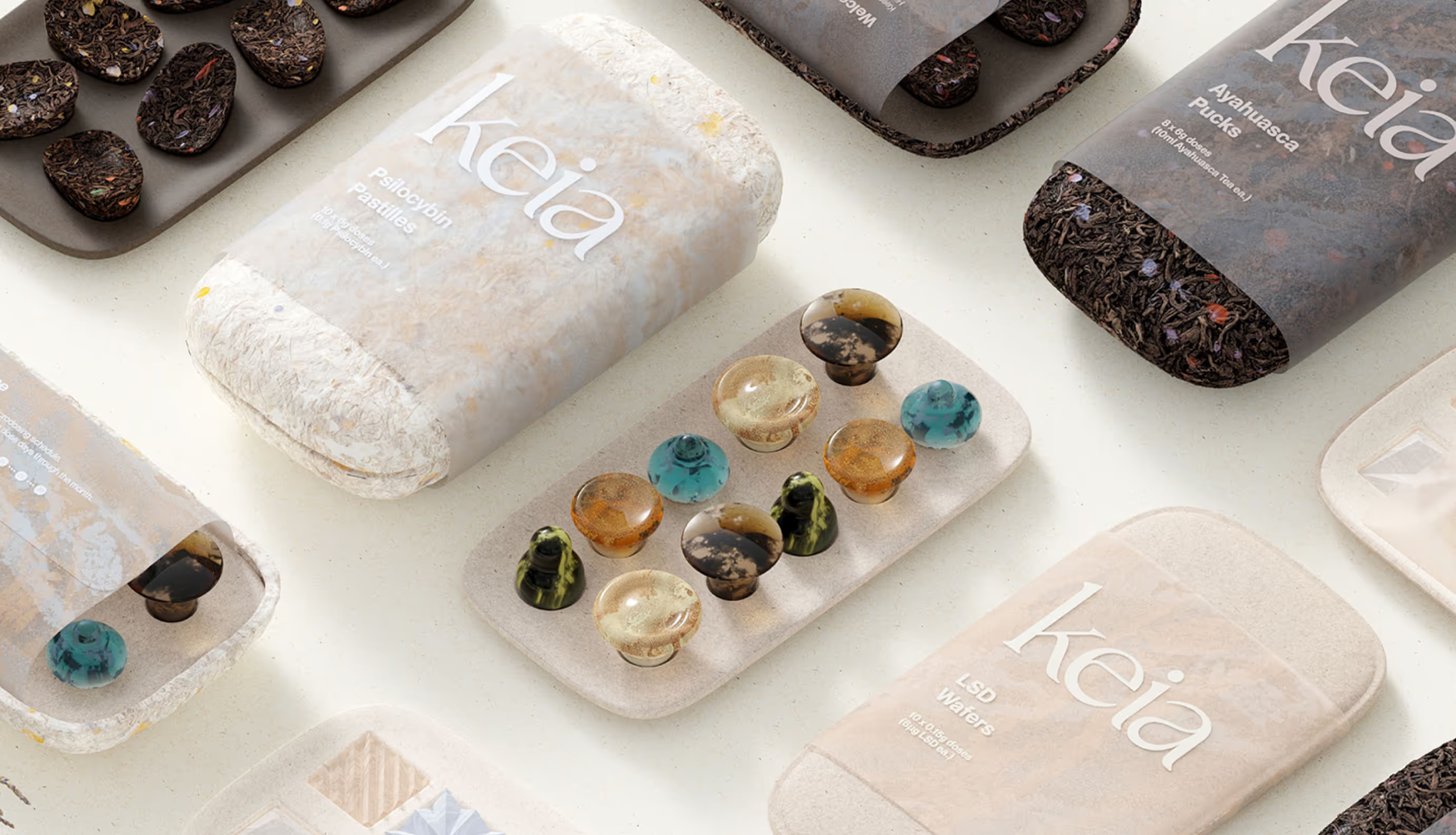
A collection of design work, some made it to launch, others were experiments exploring ideas across industrial design, branding, packaging, and UX.